How to Structure Your Wedding Timeline for Documentary Video Coverage
Planning your wedding timeline isn’t just about logistics—it’s about creating the right flow so your photographer and videographer can capture the day naturally. Documentary-style films rely on real moments, so the goal is to build a schedule that gives space for those moments to happen.
Here’s how to structure your wedding day to make the most of your video coverage, from prep to the final dance.
Start with the Big Picture
Before you dive into the details, think about the vibe of your day. Do you want your film to feel calm and cinematic, or energetic and spontaneous? That mood starts with the flow of your timeline.
If you’re planning a relaxed morning, give yourself time to enjoy it. If you want the energy of the reception to feel big, plan transitions that allow your videographer to move easily between spaces. The key is to allow enough breathing room so nothing feels rushed or overly orchestrated.
Getting Ready: Focus on Connection, Not Chaos
Ideal coverage time: 2–3 hours before the ceremony
This part of the day sets the tone. It’s not just about makeup brushes and ties—it’s about anticipation, nerves, laughter, and connection.
Here’s what helps make this time film beautifully:
- Keep your space as clutter-free as possible. A clean environment lets us focus on you, not the pile of clothes in the corner.
- Choose a room with great natural light.
- Have your details (dress, shoes, stationery, rings, etc.) ready early so we can capture them efficiently and then focus on real moments.
- Limit the number of people in the room if possible—it keeps things calm and allows more genuine interactions.
The First Look: Space for Emotion
Ideal coverage time: 20–30 minutes
If you’re doing a first look, it’s one of the most emotionally rich parts of the day. Give it room to breathe. Choose a private or semi-private location, and plan extra time so you’re not rushing into the next event.
What this does for your film:
- Allows natural emotion to unfold—without being prompted.
- Gives time for multiple camera angles and reactions.
- Adds variety to your film with quieter, heartfelt moments before the day ramps up.
Ceremony: Plan for Intentional Transitions
Ideal coverage time: Ceremony length + 15–20 minutes buffer
Your ceremony will likely be one of the most powerful parts of your film. To make sure it’s documented seamlessly:
- Allow a few extra minutes before the processional for guests to settle.
- After the ceremony, don’t rush into family photos right away. A few unscripted moments of hugs, tears, and laughter make for some of the most meaningful footage.
If your ceremony is outdoors, consider how the light changes throughout the day. Late afternoon is ideal for both photography and video—soft, even light makes everything look more cinematic.
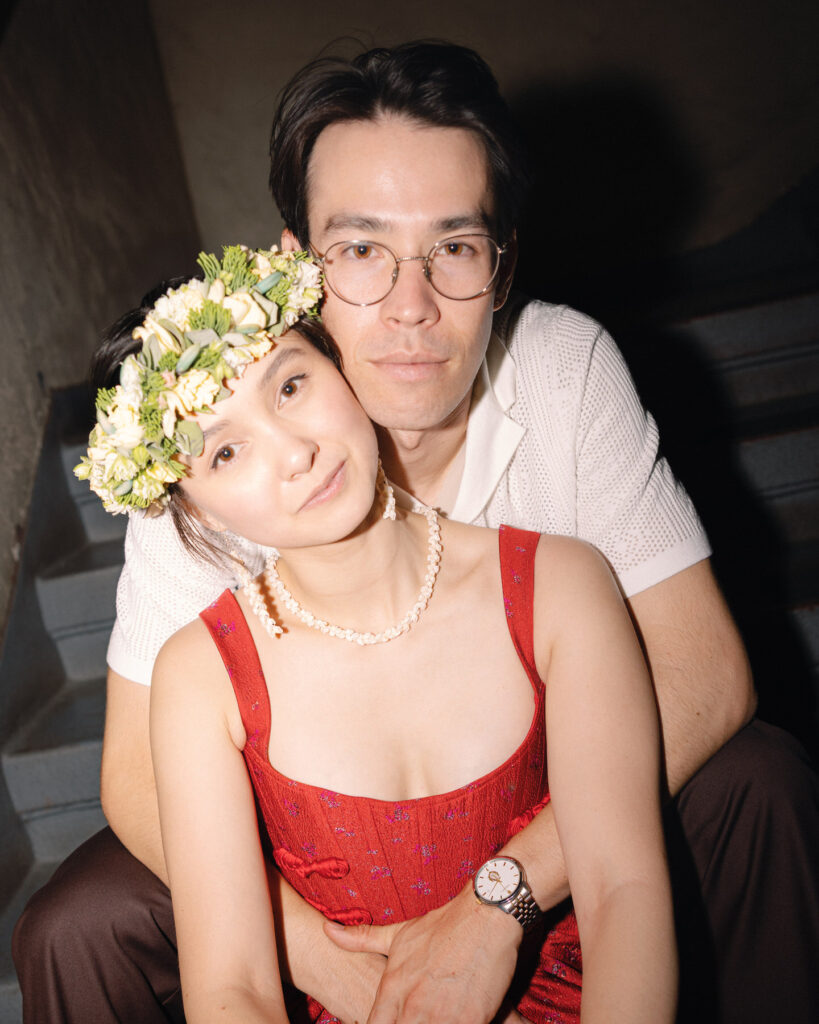
Portraits: Short, Efficient, and Natural
Ideal coverage time: 30–45 minutes (including wedding party)
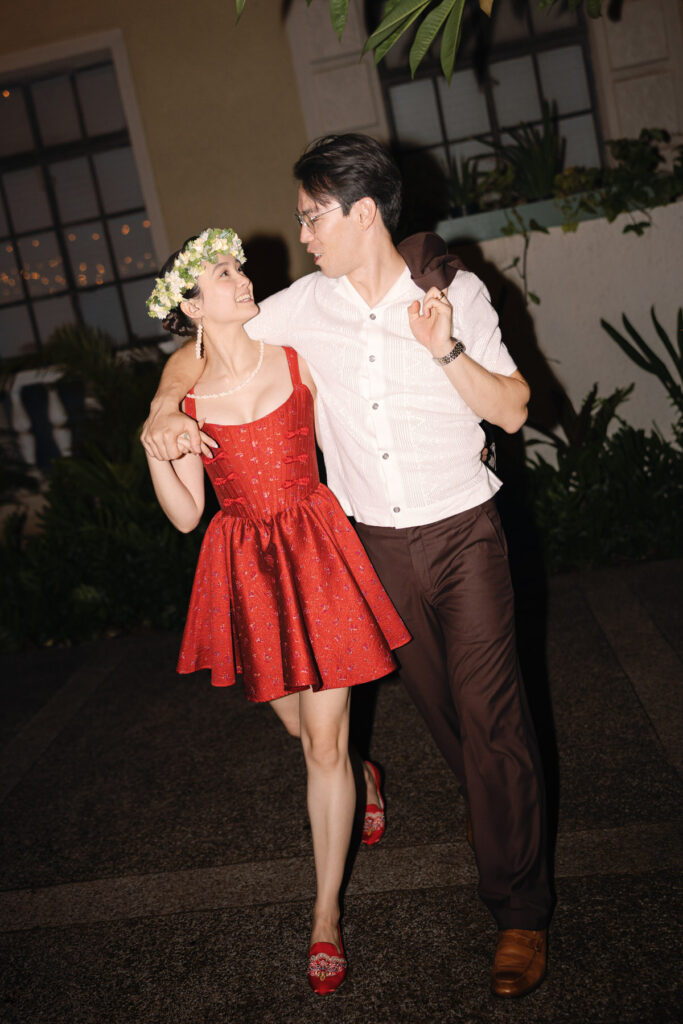
For video, the portrait portion is less about posing and more about movement. The key is creating space for candid interaction:
- Walk, laugh, spin, talk. These micro-moments translate beautifully on film.
- Schedule this session close to sunset if possible—golden hour light adds instant atmosphere.
- If you’re short on time, prioritize couple portraits. We can always capture more during the reception or golden hour sneak-away.
Reception: Plan for Flow and Lighting
Ideal coverage time: Dinner to 30 minutes after open dancing starts
This is where the story energy shifts—from anticipation to celebration. To make the most of it:
- Avoid back-to-back events (like speeches immediately after the first dance). Let things unfold naturally.
- Coordinate with your planner and lighting team to keep your key moments (first dance, toasts) well-lit but still moody.
- Once the dance floor opens, keep it going for at least 20–30 minutes before major interruptions. That’s when we capture the best energy.
If you’re planning a sparkler exit or late-night event, consider whether you want it covered. Sometimes, ending your film on the peak of the dance floor feels more authentic than a staged exit.
Buffer Time: The Secret Ingredient
The best wedding films have space for breathing room. Build in 10–15 minute buffers between major events.
This isn’t just for logistics—it gives your videographer time to move gear, check lighting, and capture those unexpected in-between moments that make your film feel human.
Those buffers are often where the best unscripted magic happens: a quiet walk, a spontaneous laugh, a glance that says everything.
Multi-Day Events: Think Like a Story
If you’re having a welcome dinner, rehearsal, or day-after brunch, each one adds depth to your story. Documentary-style films thrive on narrative—capturing multiple days means we can build a film that truly reflects the whole experience.
Even a few hours of coverage the day before or after helps show the full arc of your celebration: anticipation, emotion, release.
Trust Your Team
Your planner keeps the logistics on track. Your photographer manages the flow of portraits. Your videographer reads the room for energy, light, and story.
When we’re all in sync, your timeline becomes invisible—and the day feels effortless. The more communication and flexibility you allow, the better the film will feel.
Final Thoughts
Documentary wedding films are about truth. The more time and space you give for real moments, the better your story unfolds. Structure your timeline to invite presence—to allow for laughter, silence, movement, and emotion.
Because when it comes to your film, it’s not about perfection.
It’s about capturing what it actually felt like to be there.